
All Out Plumbing GLC in Austin, Texas
All Out Plumbing GLC is the dependable choice for plumbing services in Austin, Texas. We understand that plumbing issues rarely occur at opportune times, so we strive to provide excellence you should expect and deserve in all jobs we perform. Whether it is septic pumping or excavating, we can help you in your planning process by suggesting particular products or services that can help make your project flawless. As one of the leading wastewater management services in Austin, Texas, All Out Plumbing GLC strives to offer our customers quality service at reasonable rates. Our years of experience ensure we handle every job with care, whether its inspecting a new system or repairing an old one. We take pride in the work we do and it shows when we have finished the job. Avoid inexperienced serviceslet our expertise and talent ensure your septic needs are met.
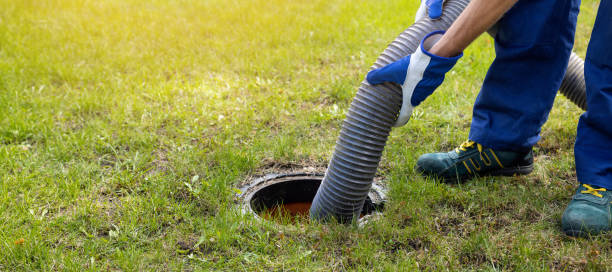
Our Septic and Drainage Services In Austin, Texas
Let our knowledgeable plumbing technicians deliver the prompt, dependable service you need for your plumbing installation and repair projects. We offer same-day service and affordable rates. Our team ensures the work site is left clean before we leave. Our technicians are available for:
- Septic System Installation
- Septic System Waste Removal
- Septic System Fixes
- Power Drain Cleaning and Snaking
- Septic Tank Inspection
How a Septic System Works
Septic systems are individual wastewater treatment systems that use the soil to treat small wastewater flows, usually from individual homes. They are typically used in rural or large lot settings where centralized wastewater treatment is impractical and unnecessary. There are many types of septic systems in use today. While all septic systems are individually designed for each site, most septic systems are based on the same principles. A septic system is not a complicated system. A septic system consists of a septic tank, a distribution box and a drainfield, all connected by pipes called conveyance lines. Wastewater is temporarily stored in the septic tank, where solids settle at the bottom and scum floats on top, allowing for separation. This separation process is known as primary treatment. The solids stored in the tank are decomposed by bacteria and should be removed, along with the lighter scum, by a licensed septic tank pumper. After the partially treated wastewater leaves the tank, it flows into a distribution box, which separates this flow evenly into a network of drainfield trenches. The wastewater then drains into gravel trenches, slowly filtering through the soil for secondary treatment, where it is purified before replenishing groundwater and flowing into a water source. Some homes may still have a (cesspool) an underground tank that stores sewage with an inlet pipe but no outlet.
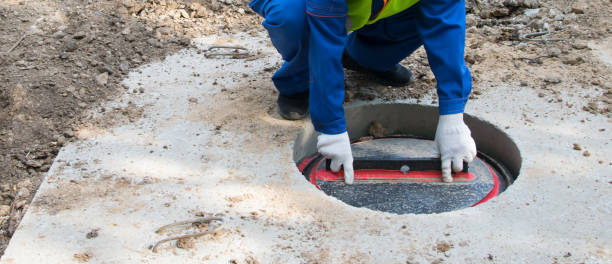
About Our Septic Services In Austin, Texas
All Out Plumbing GLC is here for all your septic and plumbing needs. We have been serving Austin, Texas and surrounding counties for years, offering septic tank cleaning, grease trap cleaning, aerobic system cleaning, and complete septic and aerobic repairs and installations. We offer various guarantees on our work along with prompt service. We stand behind our promise to deliver the highest quality customer service at affordable rates. We aim to create an honest and reliable relationship with every customer. All Out Plumbing GLC wants you to feel comfortable and we will deliver the very best results from start to finish. No matter if it’s plumbing leaks, septic backups, or main breaks at your home, restaurant, retail space, or commercial property, we can handle all your septic and plumbing needs.
How the ST Pro Plumbing Works on Your Tank
With extensive experience in septic cleaning and maintenance, ST Pro Plumbing has a long history of service. Our understanding of your septic system is backed up by this extensive work history. Its important for homeowners to be aware of how their septic tank works, even with professional maintenance. Septic tanks differ, but the basic function is consistent across systems. Wastewater from your house is carried into the septic tank by gravity. Wastewater stays in the tank for about one or two days. The tanks anaerobic bacteria decompose the wastewater over this time. The bacteria help segregate solids, oils, greases, and other floating materials. While bacteria inside your septic tank will do a fine job of breaking down your home’s wastewater, our professionals know it can’t dissolve everything. Tanks have three layers: floating scum, middle grey water, and bottom sludge. All three layers must have a sort of internal “equilibrium” to them, which our professionals can help control, in order to continue functioning the way a septic system should. After remaining in the septic tank for one or two days, the “grey” wastewater inside the tank flows into the drain field. Its made up of perforated pipes buried in trenches containing sand, gravel, or other dense, loose fill. The health and condition of your drain field is integral to the continued performance of your septic system, and as such, it will be regularly evaluated by us. As the wastewater flows out of the holes along the pipes, it enters the soil, which acts as a natural filter for any remaining waste products in the water. Microbes in the soil, along with oxygen, break down harmful elements in the water. Effective soil filtration lets the septic system release clean water back into the ground. We can make sure that your drain field is working ideally. Household wastewater carries a mix of debris from toilets, showers, sinks, and washing machines. Existing bacteria break down the majority of these materials. In case of a clog or septic back-up, our professionals are always available.
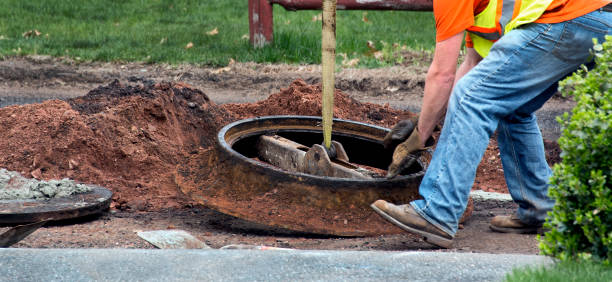
Proper Maintenance of Septic Systems
The accumulated solids in the bottom of the septic tank should be pumped out every two to three years. For large households with heavy usage, or homes with whirlpools, hot tubs, or garbage disposals, it may be necessary to pump the septic tank every year. Newer septic installations require a filter at the tank outlet to protect the drainfield and extend its lifespan. This must be checked when the tank is emptied. With proper design and maintenance, a septic system requires little care. A septic system typically costs less than sewer services and helps keep water on-site, benefiting plants and wells.
Signs of a Failing Septic System
- Sewage surfacing over the drainfield (especially after storms)
- Thick, green growth covering the drainfield
- Drains or toilets that are slow to empty
- Unpleasant sewage odors
Neglect or Abuse of Your Septic System Can Cause it to Fail.
Failing septic systems can cause a serious health threat to your family and neighbors, or put thousands of water supply users at risk if you live in a public water supply watershed. It can also degrade the environment, especially lakes, streams, and groundwater. and are very expensive to repair; and it can reduce the value of your property. Reach out to All Out Plumbing GLC today for reliable septic system inspection and maintenance services in Austin, Texas.
Why Choose Our Septic and Drainage Services In Austin, Texas?
- Boasting over 80 years of combined experience
- Same-Day Service. Low Cost Repairs.
- Round-the-clock emergency service
- No-cost estimates
- Prevention Services Recommended
- Fully Insured, Licensed And Bonded
Contact Us Today In Austin, Texas
Get in touch with All Out Plumbing GLC and let us know how we can help with your plumbing needs in Austin, Texas. We’re open from 9am – 5pm Monday through Friday with weekend appointments and 24/7 emergency services available to better serve you.